
CARE
Can a Kamado Live Outdoors in the UAE? Heat, Sand, Humidity, Rain and Covers
Can a kamado live outdoors in the UAE? Yes. How to handle summer sun, shamal sand, humid nights, rare heavy rain and a kamado cover, from a Dubai maker.
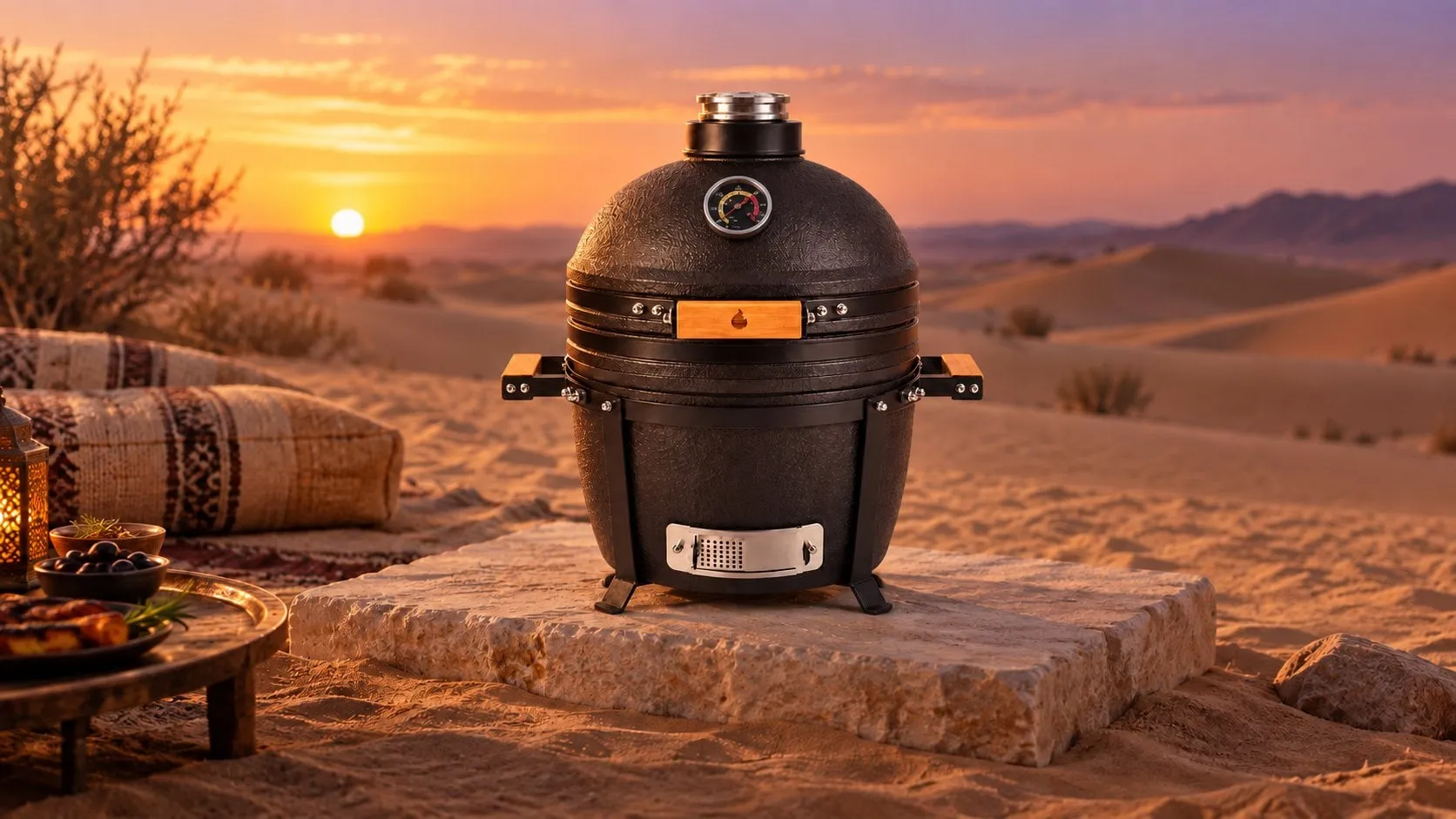
Your kamado was born in a kiln. July does not impress it.
The short answer: yes, a ceramic kamado can live outdoors in the UAE all year. Close both vents when it is cold to keep sand and rain out, brush the grates and check the vents after a shamal, light a gentle fire after heavy rain, and use shade if you can. The ceramic does not mind the sun; the wood and metal do.
The heat is the part people worry about, and it is the part that matters least. What you actually plan for in the Gulf is sand, humid nights, the one heavy storm a year, and the wood and metal parts around the ceramic. This guide goes through each, then gives you a care calendar. New to the grill? Start with how to use a kamado grill.
Can a kamado stay outside all year in the UAE?
Yes. Every Burnt Carbon dome is fired three times, and the glaze fuses into the ceramic during firing: colour that lives in the surface, not on it. A kiln runs far hotter than any Dubai afternoon, so summer is not a test the ceramic can fail.
The parts that do need looking after are the ones around it:
- The wood on the handles and side tables.
- The metalwork: the bands, the hinge, the bolts and the cart.
- The vents, top and bottom, which sand can jam.
- The dome thermometer.
- The gasket, if your kamado has one, which needs to seal.
The ceramic body, dome and base, carries a 25-year warranty against material defects. Wear parts such as the thermometer and the grates sit outside it, and so do drops and hard knocks.
| UAE condition | What it affects | What to do |
|---|---|---|
| Summer sun and heat | Wood, metalwork, a hot dome | Shade if possible; cook in the evening; mind children and pets |
| Sand, dust, shamal | Vents, grates, the rim seal | Vents closed when cold; brush and check after a storm |
| Humid nights, coastal air | Mould inside, damp coal | Burn off fat; store coal sealed; check after a break |
| Heavy rain | Moisture in the ceramic, wet coal | Lid and vents closed; dry out; first fire low and gentle |
| Salt air | Bands, hinge, bolts | Rinse with fresh water, dry, check bolts |
Summer sun and 45°C heat
Summer highs in the mid-40s °C are normal across much of the UAE, and inland it gets hotter. The ceramic shrugs at that. Three things are worth knowing.
The dome gets hot without a fire. A dark dome in full afternoon sun can be hot to the touch even when it has not been lit. Keep children and pets clear and use the handle.
Shade is kinder to the wood and metalwork. Sun dries and greys wood, and heats the metal. If you can put the kamado under shade, a tree, a pergola kept well clear of the fire, or the shady side of the house, do. If you cannot, it will still work, it will just age the wood faster.
It needs less air in summer. The ceramic starts warm, so the kamado climbs to temperature faster. Open the vents less than you would in January, and close them down early, before you reach your target. Ceramic is slow to cool, so overshooting costs you time. The vent and temperature guide has the settings. Most of us cook after sunset in July and August anyway, and so does the kamado.
Sand, dust and the shamal
Sand is the real UAE maintenance job. Most care guides, written for European winters, do not mention it at all.
Close both vents whenever it is cold. It is the simplest way to keep sand out of the fire box. With the lid down and both vents shut, there is nowhere for it to blow in.
After a shamal or a dusty day:
- Brush off the grates before you light.
- Clear the bottom vent and its track so the door slides fully open and fully shut.
- Brush grit off the rim where the dome meets the base, and off the gasket if there is one, so the lid seals.
- Check both vents and the hinge move freely. Do not force a stuck vent. Brush it clean first.
Sand in a vent matters because the vents are your temperature control. A vent that will not close properly lets in air you did not choose, and a kamado that cannot be shut down cannot be put out. Do not light a fire on top of sand in the fire box either: clear it out with the ash.
Humid nights, coastal air and mould
Summer nights on the coast are humid, and that humidity finds its way into a closed kamado. The inside of the ceramic is porous. Fat, food residue, damp air and a lid left shut for weeks are everything mould needs. It is most likely after a long break, like the summer holiday.
Before you travel:
- Run a burn-off to clear fat and food residue: a hot fire with the dome closed, then let it go out.
- Empty the ash once everything is completely cold.
- Take leftover charcoal out and store it sealed, indoors. Lump charcoal takes up moisture, and damp coal is slow to light and smokes more.
There is a trade-off here. Closed vents keep sand out, but some owners prefer a little airflow during a long humid break to discourage mould. Pick what suits where your kamado lives. A sheltered courtyard sees less sand; a coastal terrace sees more humidity.
When you get back, lift the lid and look before you light. If you find mould, throw out any damp coal, brush the growth away, light a fresh fire and run it hot with the lid closed, then brush it out again once cool. No bleach inside. The full method is in how to clean a kamado, mould included. For storing coal in the humidity, see the charcoal guide, or order a fresh bag of Burnt-Carbon Coal for your first cook back.
Kamado in rain: what to do when the storm comes
Rain in the UAE is rare, but when it comes it can be very heavy, in a few hours. Plan for one big storm rather than a wet season.
Before and during: lid closed, both vents closed. That keeps most of the water out of the fire box. Light rain is not a problem for the ceramic, and the closed dome keeps a fire going. Only cook if you can stand somewhere safe and sheltered yourself, keep the kamado clear of awnings and overhangs, and never cook in lightning.
After heavy rain:
- Let it dry. Open the lid on the next dry, sunny day and let air through.
- Check the coal. Wet charcoal is slow to light and smokes. Dry it out fully, or replace it.
- Clear standing water and soggy ash from the bottom of the base.
- Keep the first fire low and gentle. Ceramic can hold moisture after a soaking. Bring it up slowly so that moisture leaves gradually, rather than going straight to a pizza-hot fire. Thick ceramic should always heat up and cool down gradually.
If you ever do find a crack in the ceramic body, send us photos and read what the warranty covers.
Do you need a kamado cover?
Honest answer first: we do not sell a kamado cover, so we have no reason to push you towards one.
You do not need one. The ceramic does not mind sun or rain. A breathable, fitted cover can help against dust and the occasional downpour, and it keeps the wood out of the sun. In a humid climate, though, a cover can also trap condensation against the grill, and trapped moisture plus fat residue is how mould starts.
If you use a cover:
- Never cover a warm kamado. Let it cool completely first.
- Make sure it is dry before the cover goes on.
- Lift the cover off to air on dry days.
- Watch the wood. A damp cover pressed against wooden side tables keeps them damp.
- Consider leaving it off in the humid months, especially if the kamado is already in shade.
If you do not use a cover, the lid closed and both vents shut does most of the same job.
Salt air: marina, beach villa and boat
Near the sea, the concern is the metal, not the ceramic.
- Rinse the bands, hinge and bolts with fresh water now and then, once the kamado is cool.
- Dry them afterwards.
- Every few months, check the bolts on the bands and the hinge are snug. Metal moves with heat, so they can work loose anywhere, and salt air is harder on metal.
For a boat or a very small terrace, the 15″ Picnic is the table-top size: 37 kg on a short stand, with the same ceramic as the big ones. It is still 37 kg of ceramic, so it needs two people and a secure, level, non-flammable spot. Check that open flame is allowed where you moor before you light anything.
Where to put it
- Level, stable and non-flammable underneath: stone or tiles, not decking or grass.
- Clear of walls, awnings, plants and overhangs. Embers and heat need room.
- Out of the main walkway, because the dome stays hot for hours after a cook.
- Somewhere it can stay. Ours weigh from 37 kg to 150 kg. From the 18″ up it rolls on its cart once set up, but move it with two people and never lift ceramic alone.
- Never indoors or in an enclosed space. Burning charcoal gives off carbon monoxide.
Balconies are a separate question. Many Dubai buildings restrict barbecues on them, so check your building’s rules first. Our BBQ rules for balconies and gardens sets out what is in the law and what is not.
UAE kamado care calendar
| When | What to do |
|---|---|
| October to April (peak cooking season) | Clear ash before every cook; check vents after every shamal; close both vents when cold |
| May to September (heat and humidity) | Shade for the wood and metalwork; cook in the evening; fewer, smaller vent openings |
| Before summer travel | Burn-off; empty the ash once cold; take the charcoal indoors, sealed |
| After a break or heavy rain | Look for mould and damp coal; dry it out; first fire low and gentle |
| Every few months | Check bolts on the bands and hinge; rinse metalwork if you are near the sea |
| About twice a year | Deep clean and inspect the ceramic, as in how to clean a kamado |
Built for fire, ready for a Gulf summer
A kamado can live outdoors in the UAE all year. The ceramic takes the heat. You look after the sand, the humidity, the one big storm and the wood and metal around it: vents closed when cold, a brush after a shamal, a burn-off before you travel, and a gentle first fire after rain. Our owner’s guide, First Fire, covers the rest, and the FAQ answers the questions we hear most.
Built for fire. Ready for August. Find the size for your terrace →
Want to know what is covered? Read the warranty →
Questions people ask
Can you leave a kamado outside in the UAE?
Yes, all year. A ceramic kamado is fired at temperatures far beyond any summer, and ours is fired three times with the glaze fused into the surface. Close the lid and both vents when it is not in use, keep the wood and metalwork in shade if you can, and check the vents after a sandstorm.
Does a kamado need a cover?
No. A breathable, fitted cover can help against dust and the occasional downpour, but in a humid climate covers can trap condensation and encourage mould. If you use one, only cover a cool, dry kamado, lift it off to air on dry days, and consider leaving it off in the humid months. We do not sell a cover.
Can you use a kamado in the rain?
Light rain is not a problem for the ceramic, because the closed dome keeps the fire going. Only cook if you can stand somewhere safe and sheltered, and never in lightning. After a heavy downpour, let the kamado dry out and keep the first fire low and gentle so moisture leaves the ceramic slowly.
Will UAE summer heat damage a kamado?
Not the ceramic. It is fired to far higher temperatures than any summer day, and our glaze is fused into the ceramic in the kiln, so the colour lives in the surface rather than on it. Sun is harder on the wood and metalwork, so shade helps. The dome can get hot to the touch in summer even when unlit.
How do I protect a kamado from sand and dust?
Close both vents whenever the kamado is cold, so sand stays out of the fire box. After a shamal, brush off the grates, clear any sand from the bottom vent, brush grit off the rim where the dome meets the base, and check both vents still move freely before you light it.
Why is there mould in my kamado?
Fat, food residue and humidity with the lid closed, usually after a long break such as summer travel. It is easy to deal with. Throw out damp charcoal, brush away loose growth, then light a fresh fire and run it hot with the lid closed. Brush it out again once cool. Never use bleach inside the ceramic.
Can I keep a kamado by the sea or on a boat?
The ceramic is not the concern near salt air; the metalwork is. Rinse the bands, hinge and bolts with fresh water now and then, dry them, and check the bolts are snug every few months. Our 15″ Picnic is the table-top size, 37 kg on a short stand, for small spaces. Check that open flame is allowed where you moor.
FROM THE KILN
BUILT FOR FIRE. READY FOR AUGUST.
Six sizes, from the 15″ table-top to the 27″. Triple-fired ceramic, free delivery to all seven emirates and a 25-year warranty on the ceramic body.
KEEP
READING.
ALL GUIDES →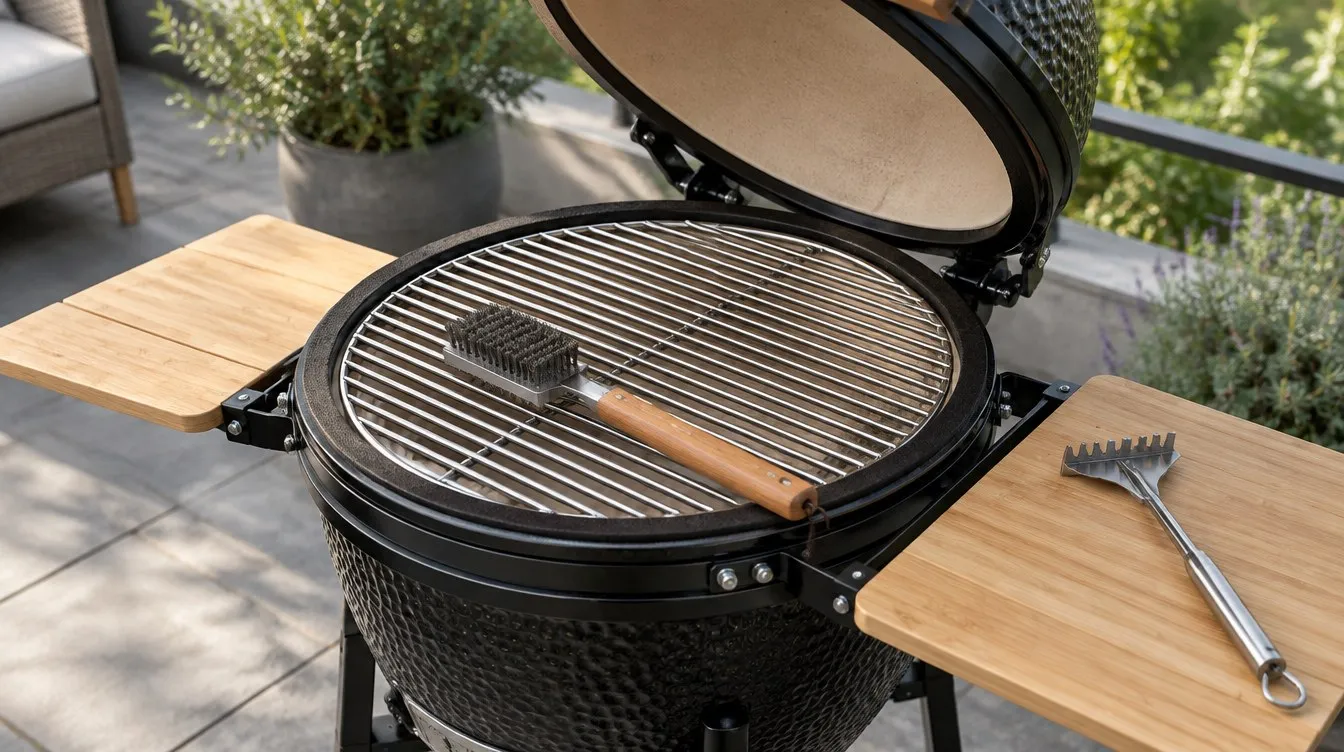 CARE
How to Clean a Kamado Grill: The Routine, the Deep Clean and the Don'ts
How to clean a kamado grill: clear the ash before every cook, burn off the inside, never soap in the ceramic. Plus mould, grates, sand and the outside.
 HOW-TO
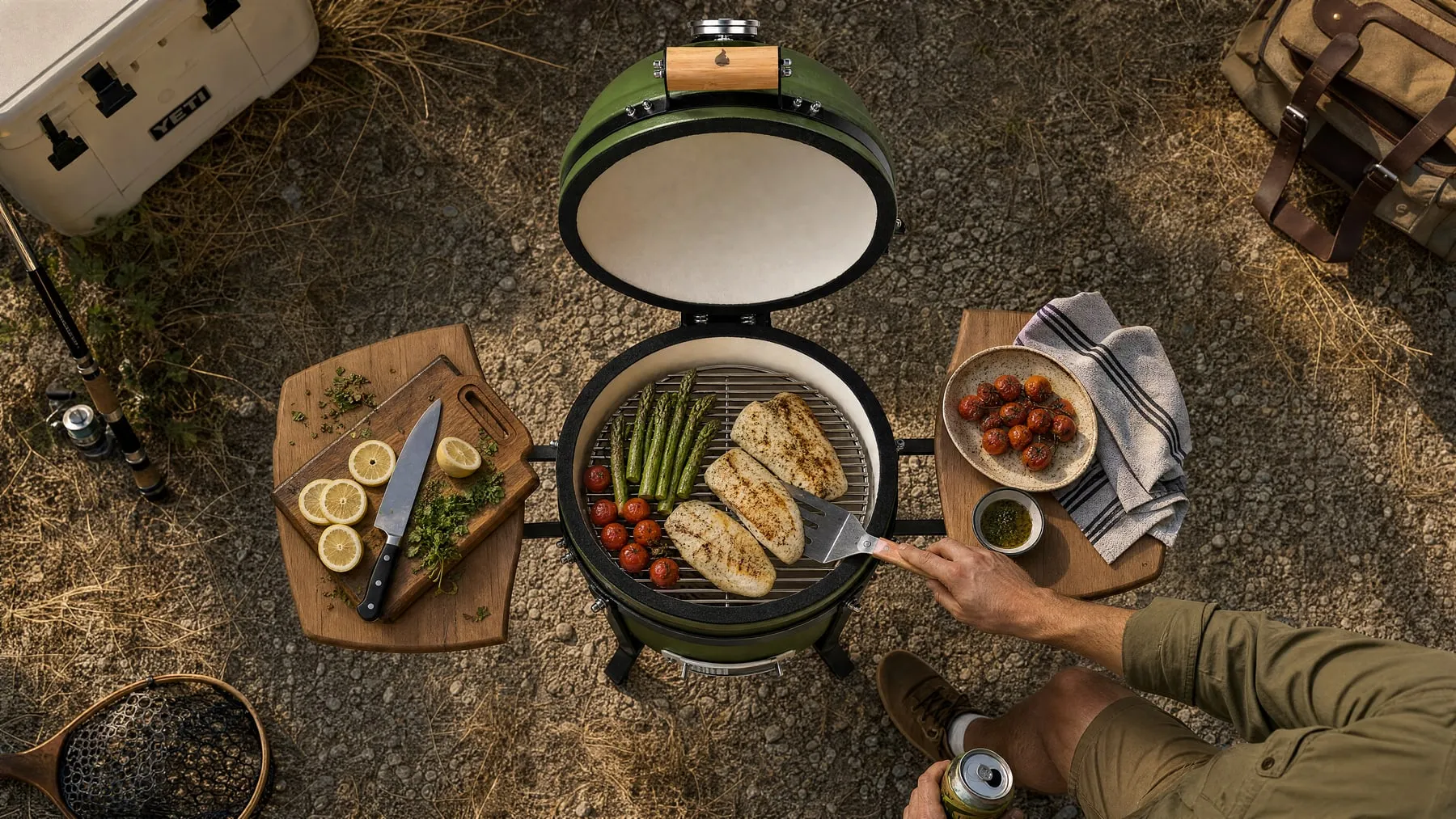
How to Use a Kamado Grill: The Complete Guide
How to use a kamado grill, start to finish: charcoal, lighting, vents, direct and indirect heat, burping, shutting down and cleaning, UAE edition.
 HOW-TO
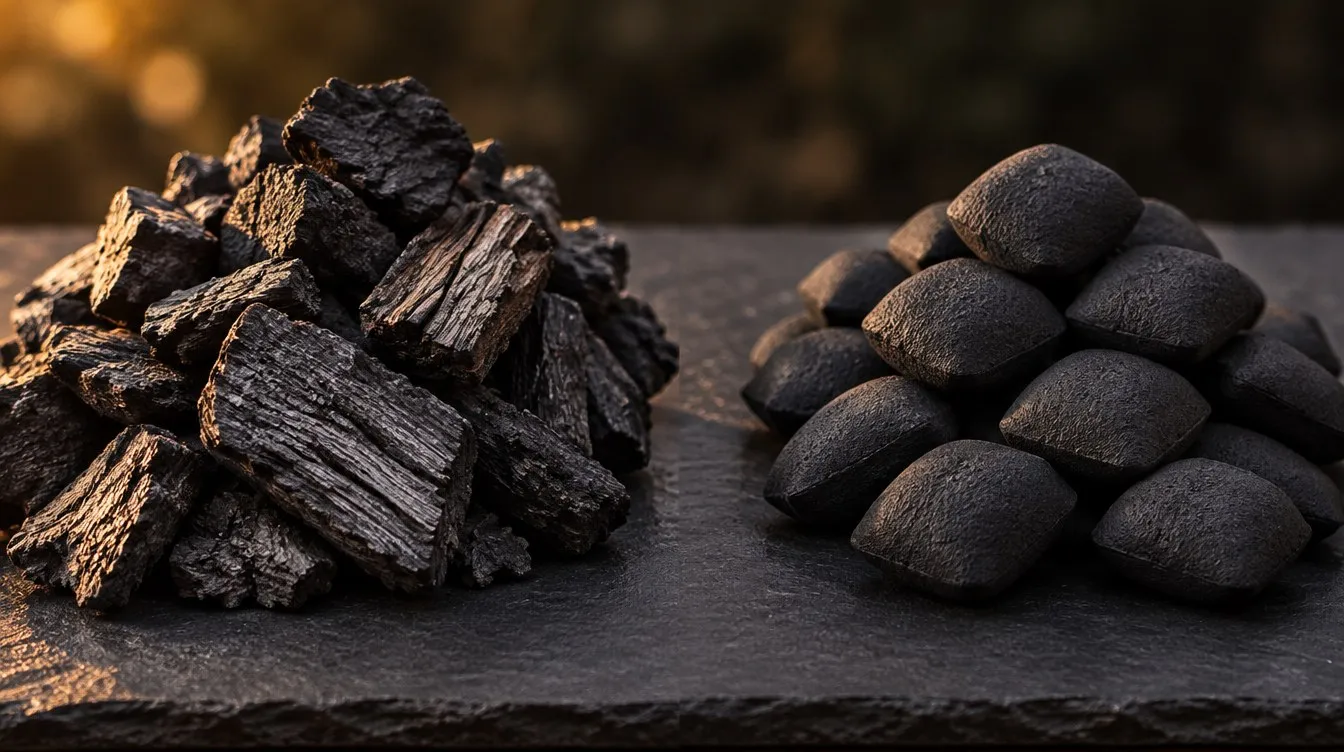
The Best Charcoal for a Kamado: Lump Charcoal vs Briquettes
Which charcoal belongs in a kamado? Lump vs briquettes, coconut and binchotan, how much each cook uses, and what charcoal really costs in the UAE.